Smarter Money Routines Begin With Better Bill Payments
Bill payments are one of the most frequent financial activities for most households. Electricity, mobile, broadband, gas, credit cards, subscriptions, school fees, insurance premiums, and other recurring expenses can quickly become difficult to manage when they are spread across different due dates and payment channels.
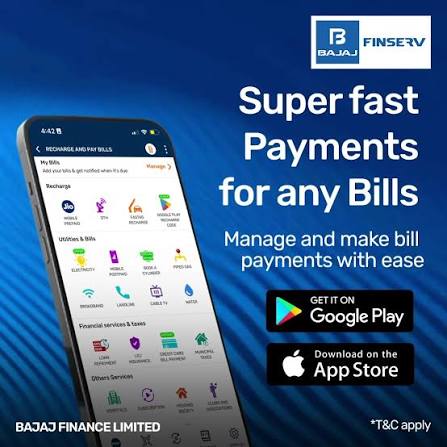
A better system is not only about paying on time. It is about knowing what is due, avoiding duplicate payments, keeping enough balance available, checking whether a transaction has succeeded, and maintaining records when a dispute occurs. Digital tools can make the process faster, but good financial habits remain essential.
For users who also manage savings products such as an FD, it can be useful to keep recurring household expenses separate from long-term savings so that monthly obligations do not interfere with planned investments.
Why Bill Management Needs a System
Many people manage recurring expenses from memory. This may work when there are only two or three payments, but it becomes less reliable as the number of services increases.
A household may need to track:
- Electricity
- Water
- Gas
- Mobile postpaid
- Broadband
- Credit card dues
- Insurance premiums
- Streaming subscriptions
- Education-related payments
- Loan instalments
Each bill may have a different due date, payment method, grace period, and late-payment rule.
A structured system helps reduce the chance of missing a deadline and also gives users a clearer view of monthly cash flow.
Start With a Monthly Payment Calendar
The simplest improvement is to create a monthly payment calendar.
Instead of remembering each bill separately, record:
- Provider name
- Billing cycle
- Due date
- Expected amount
- Payment status
- Payment method
This can be maintained in a spreadsheet, calendar app, finance app, or even a basic notes file.
The goal is not complexity. It is visibility.
If most payments are due between the 5th and 15th of the month, users can plan their available balance accordingly rather than discovering a shortage at the last minute.
Separate Fixed and Variable Bills
Not all monthly expenses behave the same way.
Fixed Bills
These usually remain the same or change only occasionally.
Examples may include:
- Rent
- Subscription plans
- Loan instalments
- Membership fees
- Variable Bills
These change based on usage or billing conditions.
Examples may include:
- Electricity
- Mobile usage
- Gas
- Credit card dues
Separating the two makes budgeting easier.
Fixed expenses can be planned in advance, while variable bills may require a buffer.
For example, if electricity use is usually higher during summer, the household budget should account for that seasonal increase.
Use Reminders Before the Due Date
A reminder on the due date itself may be too late.
A better system is to use multiple reminders:
- First reminder when the bill is generated
- Second reminder a few days before the due date
- Final reminder on the due date if unpaid
This creates enough time to resolve issues such as:
- Insufficient bank balance
- Incorrect bill amount
- Payment gateway failure
- Missing payment confirmation
- Account-login problems
Early reminders reduce pressure and help users avoid rushed transactions.
Review the Bill Before Paying
Convenience should not replace verification.
Before making a payment, check:
- Customer or account number
- Billing period
- Amount due
- Previous payment status
- Late fees
- Additional charges
A sudden increase in the amount may indicate:
- Higher usage
- Tariff changes
- Carry-forward balance
- Penalty
- Incorrect meter reading
- Duplicate billing
Users should investigate unusual amounts rather than paying automatically without review.
Avoid Duplicate Payments
Duplicate payments can happen when a user does not receive immediate confirmation.
For example, a transaction may appear to fail because the page does not refresh, while the bank has already processed the debit.
Before trying again, check:
- Bank transaction history
- Payment-app status
- Provider account
- SMS or email confirmation
If the first payment is still pending, it may be better to wait for the final status rather than repeat the transaction immediately.
Maintaining a payment record can also prevent family members from paying the same bill separately.
Understand Pending and Failed Transactions
A digital payment can have several statuses.
These may include:
- Successful
- Pending
- Failed
- Reversed
- Refunded
A pending transaction may eventually complete or reverse automatically.
A failed transaction may still require confirmation from the bank or service provider.
Users should retain:
- Transaction ID
- Date and time
- Amount
- Payment method
- Screenshot where necessary
These details can make complaint resolution faster.
Keep Enough Balance Before Auto-Pay
Auto-pay can reduce the risk of missed deadlines, but it works only when sufficient funds are available.
Users should check whether the linked account or card has enough balance before the scheduled debit.
A failed auto-pay may result in:
- Late-payment fees
- Service interruption
- Penalty
- Reattempt charges in some cases
Auto-pay is useful for predictable expenses, but the user should still review the statement periodically.
Automation should support control, not replace it.
Do Not Automate Every Payment
Some bills are better reviewed manually.
For example, a highly variable credit card bill may deserve closer inspection before payment.
Manual review can help identify:
- Unrecognised transactions
- Duplicate charges
- Subscription renewals
- Fees
- Interest charges
Auto-pay may still be suitable if the user regularly checks the statement before the debit date.
The right approach depends on the type of bill and how predictable it is.
Compare Payment Methods Carefully
Different payment channels may offer different convenience, limits, or rewards.
Users may pay through:
- Bank applications
- UPI
- Debit cards
- Credit cards
- Provider websites
- Digital wallets
- Payment platforms
The best method is not always the one offering a short-term incentive.
Users should also consider:
- Security
- Payment confirmation
- Processing time
- Convenience fee
- Refund handling
- Transaction limits
A small cashback benefit may not be worthwhile if the payment channel adds unnecessary fees.
Watch for Convenience Charges
Some service providers or platforms may charge a convenience fee depending on the payment method.
Before confirming, users should check:
- Base bill amount
- Additional fee
- Taxes on the fee
- Final payable amount
This is especially relevant for larger payments.
A ₹20 or ₹30 fee may seem small once, but repeated fees across several bills can add up over a year.
Protect Against Fake Payment Links
Bill-related messages can be used for fraud.
Users should be cautious with messages claiming:
- Immediate disconnection
- Expired electricity account
- Urgent KYC update
- Failed bill payment
- Refund eligibility
Instead of clicking an unknown link, users should open the official application or website directly.
They should never share:
- One-time passwords
- UPI PIN
- Card PIN
- Internet banking password
- Screen-sharing access
Legitimate payment systems do not require users to reveal these credentials to another person.
Verify the Biller Before Payment
When using a new platform, users should confirm that the correct provider is selected.
Similar company names can cause confusion.
Check:
- Provider name
- State or region
- Account number
- Customer ID
- Displayed bill amount
A wrong selection can send money to the wrong account and may make recovery difficult.
Maintain Digital Receipts
Payment confirmations should be stored in a way that is easy to search.
Useful records include:
- SMS confirmation
- Email receipt
- Transaction ID
- Provider receipt
- Bank statement
These can be useful when a service provider claims that payment has not been received.
For important bills, users may maintain monthly folders or download PDF receipts.
Reconcile Payments at Month-End
A quick monthly reconciliation can identify missing or incorrect transactions.
Compare:
- Bills expected
- Bills paid
- Amount debited
- Receipts received
- Any outstanding balance
This also helps users understand how much was actually spent on recurring household services.
Over time, the record can reveal patterns such as:
- Rising electricity use
- Increasing subscription costs
- Higher credit card spending
- Unnecessary recurring services
- Use Bill History for Budgeting
Past bill data can improve future planning.
For variable expenses, users can calculate an approximate monthly range.
For example:
- Minimum electricity bill
- Average electricity bill
- Highest seasonal bill
The same approach can be used for mobile, gas, and other utilities.
This creates a more realistic monthly budget than assuming every bill will remain at its lowest level.
Cancel Unused Recurring Services
Bill management is also an opportunity to identify expenses that no longer provide value.
Review subscriptions for:
- Streaming services
- Cloud storage
- Fitness memberships
- Premium applications
- Online tools
- News services
Small recurring payments are easy to overlook because each one appears inexpensive.
Together, they can become a meaningful annual expense.
Keep Credit Card Payments Separate
Credit card bills deserve special attention because late payments may result in interest and other charges.
Users should review:
- Total amount due
- Minimum amount due
- Payment due date
- Interest charges
- Unrecognised transactions
Paying only the minimum amount can leave a significant balance outstanding.
Where possible, users should understand the full cost before carrying a balance forward.
Review Payment Limits
Some payment methods may have daily or per-transaction limits.
This is important for larger utility, insurance, or education payments.
Users should check the limit before the due date rather than discover it at the final moment.
If a payment exceeds the available limit, an alternative authorised channel may be required.
Use a Separate Expense Account if Helpful
Some households find it easier to maintain a separate bank account for recurring expenses.
At the start of the month, they transfer an estimated amount to that account.
This can improve visibility because:
- Household bills remain separate from savings
- Auto-debits become easier to monitor
- Monthly spending is easier to reconcile
The method is optional, but it can help users who manage many recurring payments.
Know What to Do When a Payment Is Not Updated
Sometimes a payment is successful at the bank but not updated by the service provider.
In such cases:
- Check the transaction status.
- Wait for the normal processing period.
- Save the transaction ID.
- Contact the biller through official support.
- Contact the bank or payment platform if necessary.
Users should avoid making a second payment unless they confirm that the first transaction failed.
Emergency Borrowing Should Not Replace Bill Planning
Repeatedly borrowing money to meet ordinary monthly expenses can indicate that the budget needs adjustment.
A quick loan app may appear convenient during a short-term cash shortage, but borrowing costs, repayment dates, and affordability should be understood before taking any loan.
Routine bills are generally easier to manage through cash-flow planning, expense reduction, and emergency savings than through repeated short-term borrowing.
Conclusion
Bill payments become easier to manage when they are treated as part of a structured monthly financial routine rather than a series of last-minute transactions.
A good system includes a payment calendar, early reminders, bill verification, secure payment methods, receipt storage, and month-end reconciliation. Users should also review convenience fees, failed transactions, recurring subscriptions, and auto-pay balances regularly.
Digital payment tools can reduce effort, but careful verification and budgeting remain essential. A consistent process can help households avoid missed deadlines, duplicate payments, unnecessary fees, and confusion about where monthly money is going.